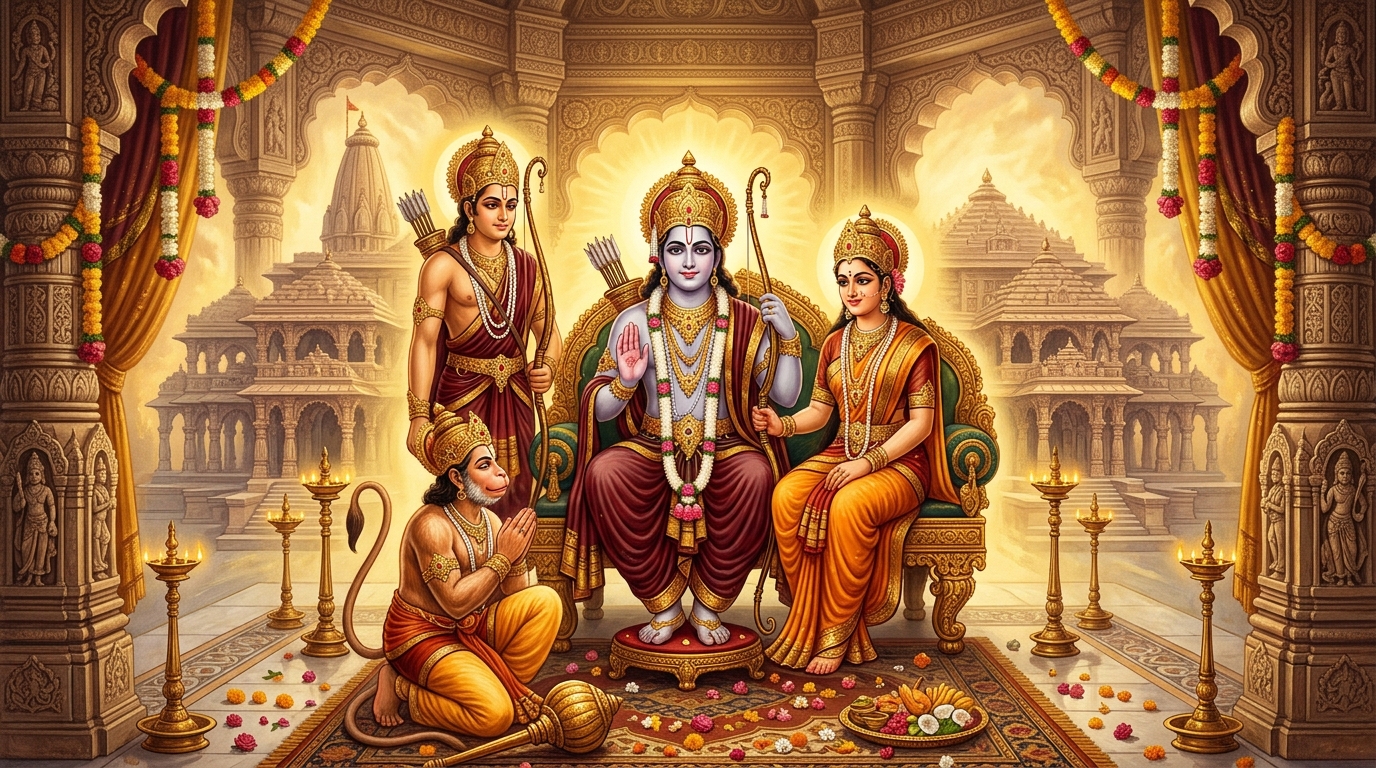
The Living Constitution of Ideal Human Conduct
Shri Ramcharitmanas, penned by Goswami Tulsidas, is not just a poetic scripture; it is a profound moral handbook for living in society. In a contemporary world often troubled by discord, broken families, and consumerist alienation, the Ramayana presents a luminous model of love, sacrifice, and boundless compassion.
1. Reverence Toward Parents and Elders
Lord Rama demonstrates supreme filial piety. When King Dasharatha is compelled by Queen Kaikeyi's boons to decree fourteen years of forest exile, Sri Rama accepts the command not with resentment or sorrow, but with delight, desiring above all to preserve the truth of his father's vow. Modern families thrive when children are nurtured with this same respect for their elders' sacrifice and wisdom.
2. Unconditional Brotherly Love: The Bharata Ideal
In a materialistic society where siblings frequently contest inheritances in courts, the Ramayana presents Sri Bharata and Sri Lakshmana. Bharata refuses to rule Ayodhya in Rama's absence, placing the sacred sandals (charan padukas) of Lord Rama upon the throne and living as a hermit in Nandigram. Such selfless loyalty illustrates that familial love must always supersede greed for wealth.
3. Companionship and Mutual Dignity in Marriage
The bond between Lord Rama and Mother Sita epitomizes mutual reverence, steadfast loyalty, and shared spiritual purpose. Mata Sita gladly chose the hardships of thorn-strewn forests over the comforts of the royal palace to stand beside her husband. This unity in both adversity and joy is the bedrock of marital longevity.
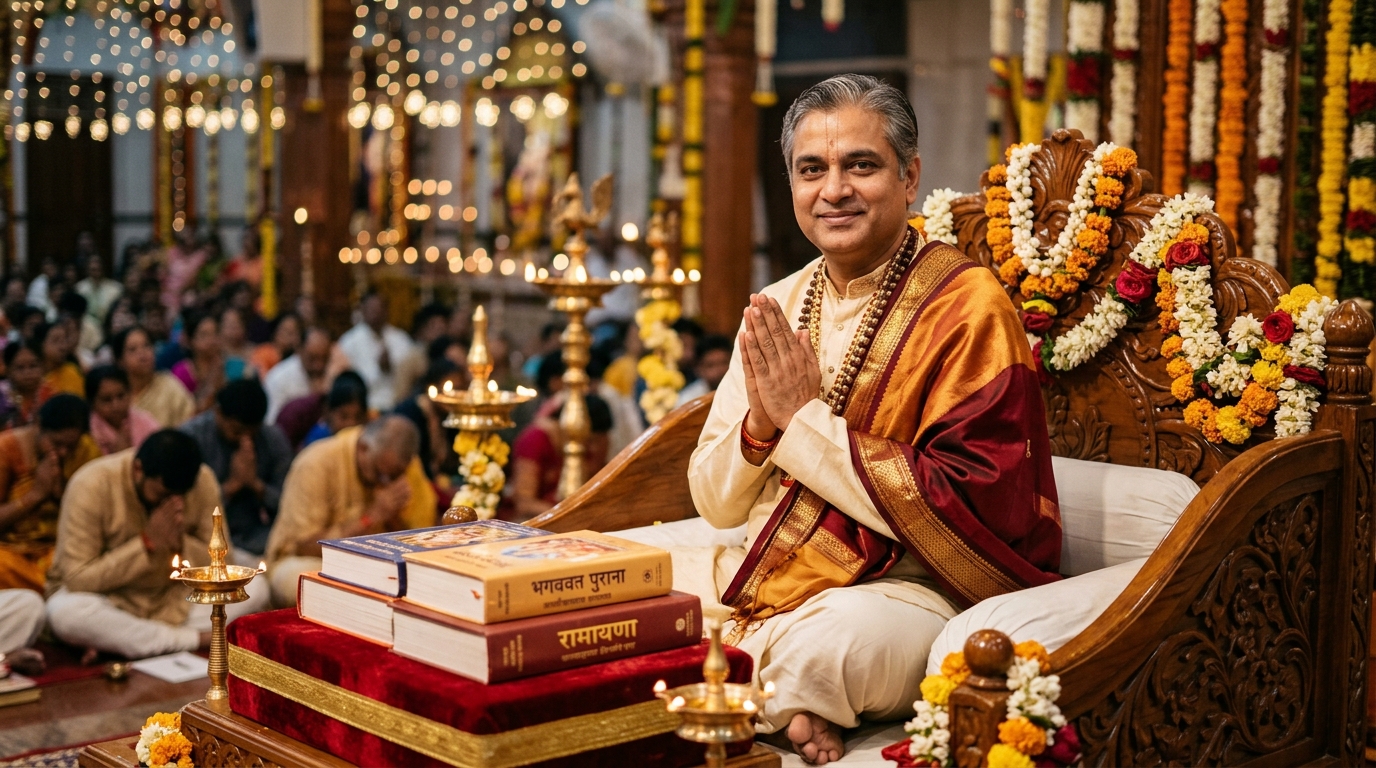
Author: Acharya Suneel Pandey
Spiritual Mentor and Speaker on Ramayan Katha. Available for 9-day discourses worldwide. Phone: +91 88796 66778.